Environmental Sustainability
In today’s world, protecting the environment and sustainability is a critical priority, and the practice of rendering can provide a solution to help. Rendering is a powerful process to reclaim and reuse animal agriculture resources responsibly, reduce food waste, and find important uses for meat co-products (also called by-products). Rendering uses these leftover materials from animal processing and recycles them for new applications instead of discarding them. Products such as fat, bones, and other animal materials can be reused instead of contributing to waste.
Rendering has a (hugely) positive environmental impact and is one of the most sustainable practices we, as a community, can support to improve our carbon footprint, reduce food waste, and return clean water to the environment’s natural waterways. It’s an often-overlooked industry that equips the entire food processing chain to use food materials more responsibly and sustainably. By reclaiming meat leftovers and including them in other products, such as animal feed, pet food, and renewable biofuels, rendering prevents waste and makes our resources go further for critical needs.
How Resilient Rendering Works
Because many people consider unused animal co-products or by-products inedible (i.e., meat from the animal that we choose not to eat), these leftovers often end up in landfills. Resilient rendering ‘recycles’ those co-products into valuable items like pet food and biofuel.
Rendering’s reduced carbon footprint is a result of using sustainable processing methods. Resilient rendering expands our uses for leftover food products produced from animal agriculture and helps us conserve resources while decreasing food waste across the production chain.

Environmental Impacts of Rendering
Rendering delivers essential benefits for increased sustainability. Products developed from rendered material follow strict safety standards to provide high-quality products from sustainable materials. Some reasons rendering makes a positive impact on the environment include:
- Environmental protection: Rendering helps protect the environment with lower greenhouse gas emissions than other disposal methods, decreased energy and water consumption, and more efficient processing technologies.
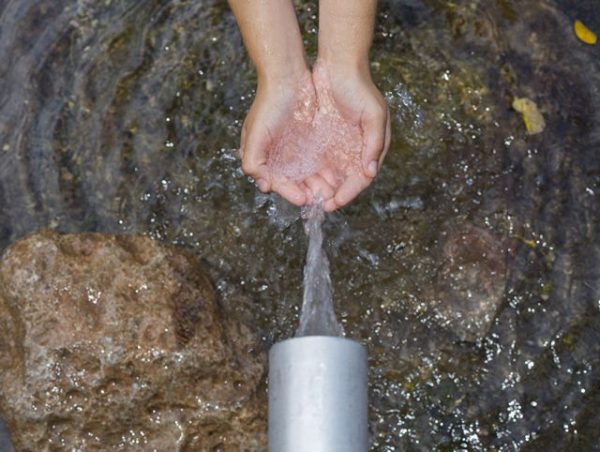
- Water reclamation: Rendering reclaims billions of gallons of water that would otherwise be wasted or contaminated. Water reclamation rendering methods improve water quality, naturally releasing water back into the environment through evaporation or returning it to streams and rivers according to federal, state, and local water standards.
- Food waste prevention: Reclaiming meat leftovers that would otherwise be discarded decreases our food production footprint. It also reduces waste piling up in landfillsas we reuse those co-products instead.
- Sustainable products: Renderers reclaim and recycle items such as used cooking oil and rendered protein ingredients for renewable diesel, animal feed, pet food, and many other products.
Discover How NARA Works for Sustainability
The North American Renderers Association (NARA)represents independent renderers and meat processors across the United States and Canada. Our members also include those who support renderers with equipment and services or broker and buy processed rendered products.
NARA’s mission is to represent the interests of the rendering industry in the political realm, provide resources for industry members and educate the public on the vital work renderers do. We offer a wide range of services and prioritize listening to our members’ feedback. As we learn about their evolving needs, we strive to provide the support and resources they require most. We’re also committed to being the voice of the rendering industry to local and national government officials.
As a non-profit, NARA is committed to supporting the industry and furthering environmental sustainability efforts in the best way we can. We’re here to support those in the rendering industry with trusted resources to help them manage regulatory compliance, optimize rendering processes and promote meat science and technology awareness.
NARA advocates on behalf of renderers and aims to spread the word about the rendering industry’s vital role in helping to protect and preserve environmental sustainability. We focus on providing innovative solutions for reclaiming meat leftovers and consistently reducing food waste.
If you’d like to learn more about what we door our membership options, explore our resources and discover the benefits of being part of NARA. To get started, contact us about becoming a member.
Learn more about rendering’s contribution to environmentally-friendly biofuels here.
Visit our blog!